Where soybeans will make your life joyful, healthy, and colorful!
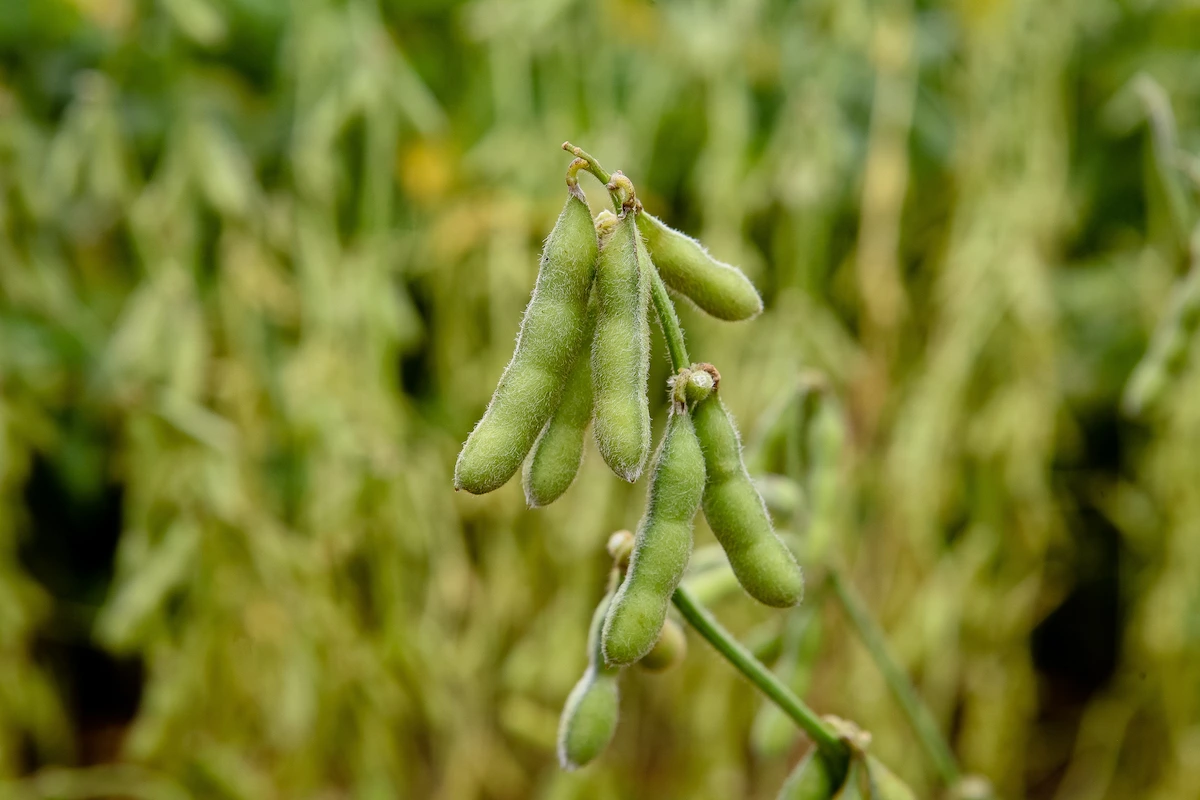
A soybean was born!
Credits: Fredox Carvalho (Pexels)
The soybeans first originated in Southeast Asia. It was brought by
the Chinese to various places around 1100 BC, so in the first
century AD, soybeans grew in Japan and multiple locations in the
Southeast. Asia. It reached the Western world in the early 1700s
and was shipped to America in the 18th century to a farmer named
Samuel Bowen, according to Matthew D. Roth. To learn more about
how soybeans spread worldwide, check out this
YouTube video
by Into The Outdoors.
Nutritional and benefits
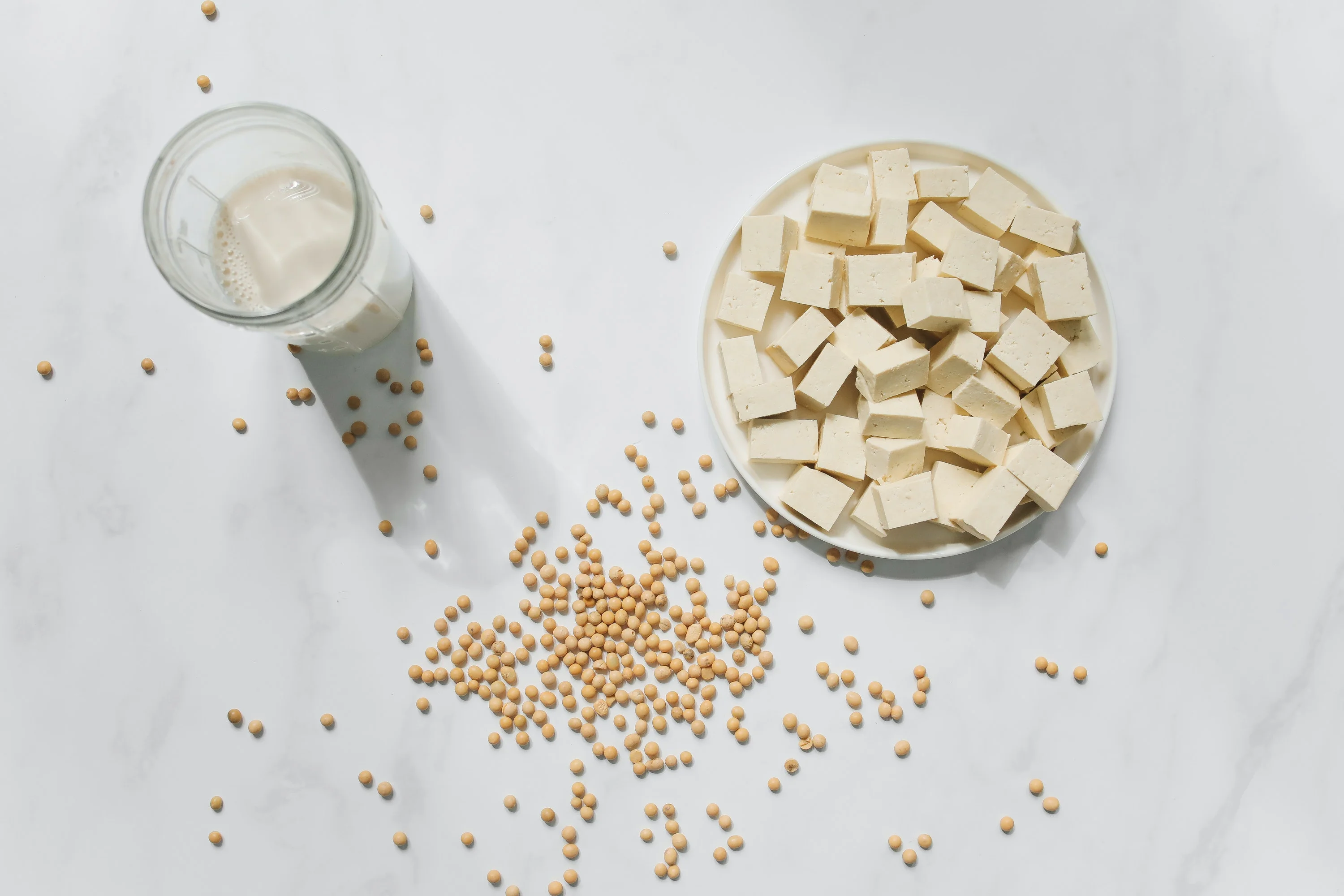
Credits: Polina Tankilevitch (Pexels)
Soybeans are high in protein, vitamin C, and folate. It is also a
source of calcium, iron, magnesium, phosphorus, potassium, and
thiamin that can help with your diet, especially for vegetarians
looking for protein in the body. The beauty of eating soybeans is
that they have low cholesterol, which can help lower the risk of
heart disease. Eating soybeans is also helpful for those with bone
diseases such as osteoporosis. Soybean is not just for vegans; it
makes various dishes for non-vegans as well. In addition, it is
also perfect for making desserts which you choose!
Did you know soybeans were an alternative drink during the
Civil War? Because coffee was in shortage at that time.
Henry Ford is a former soybean leader where he spent more than
$1 million to develop food and industrial using soy.
Soybean is also used as an oil and has many benefits such as
omega-3 fatty acids, promotes skin health, and is easy to use
for frying, baking, roasting, and sauteing.
List of foods that containing soy
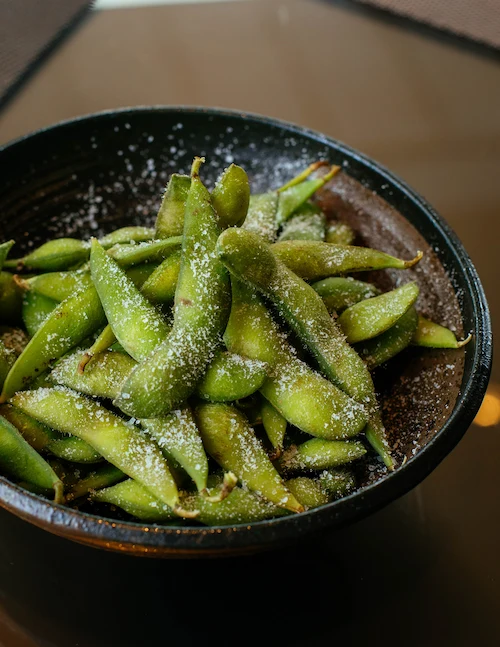
Edamame
Edamame is an immature soybean inside the pod usually used
in the cuisine of those in East Asia. Edamame can make it
boil, steam, pan-fry, or microwave depending on the cooking.
Edamame can be a snack for vegans, usually cooked in boiled
water with salt for 15 to 20 minutes.
Here are the most common benefits of eating edamame:
High in protein – a good source of protein if you don't
prefer to eat red meat such as beef, pork, and other
animal meat.
May lower cholesterol – based on some studies by experts,
eating edamame can help reduce cholesterol in the body,
which causes an increased risk of heart disease.
It doesn't raise blood sugar – it's suitable for people
with type 2 diabetes and those following a low-carb diet.
Rich in vitamins and minerals – edamame also contains many
vitamins and minerals, such as folate (which is
higher—which is 78%—this than mature soybeans at 14%),
vitamin K1, thiamine, riboflavin, iron, copper, and
manganese.
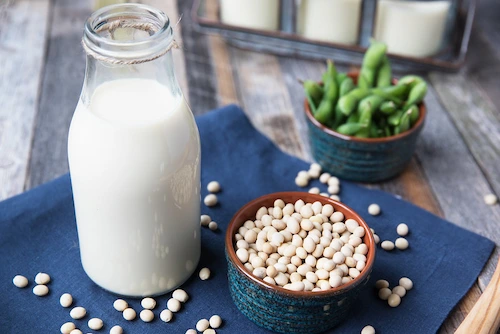
Soymilk
Soymilk is milk made from soybean; it is non-dairy milk good
for people with a diet or health concerns. According to
Jessica Migala on the Everyday Health site, soy milk has
more nutrients than low-fat cow's milk.
Plain, unfortified soymilk is an excellent source of B
vitamins and protein but lacks calcium and vitamin D, while
fortified ones have. It is also a good substitute for those
who are lactose intolerant.
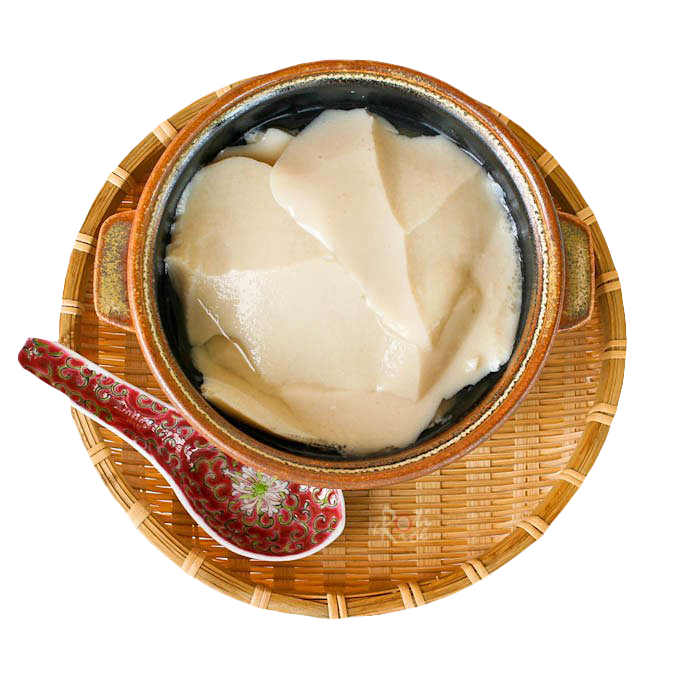
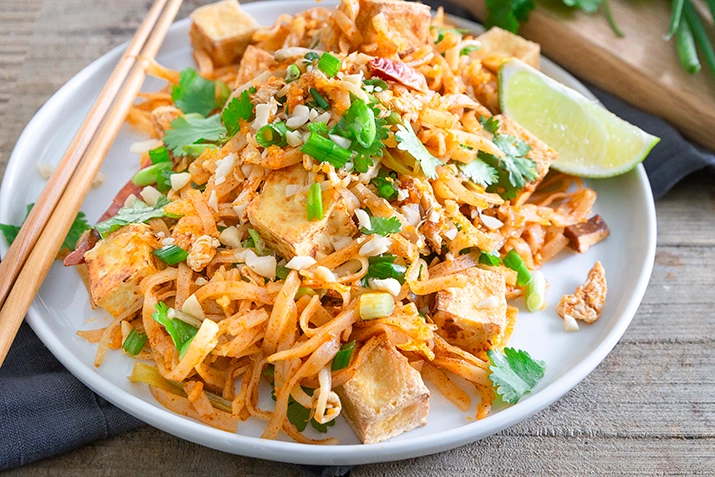
Tofu
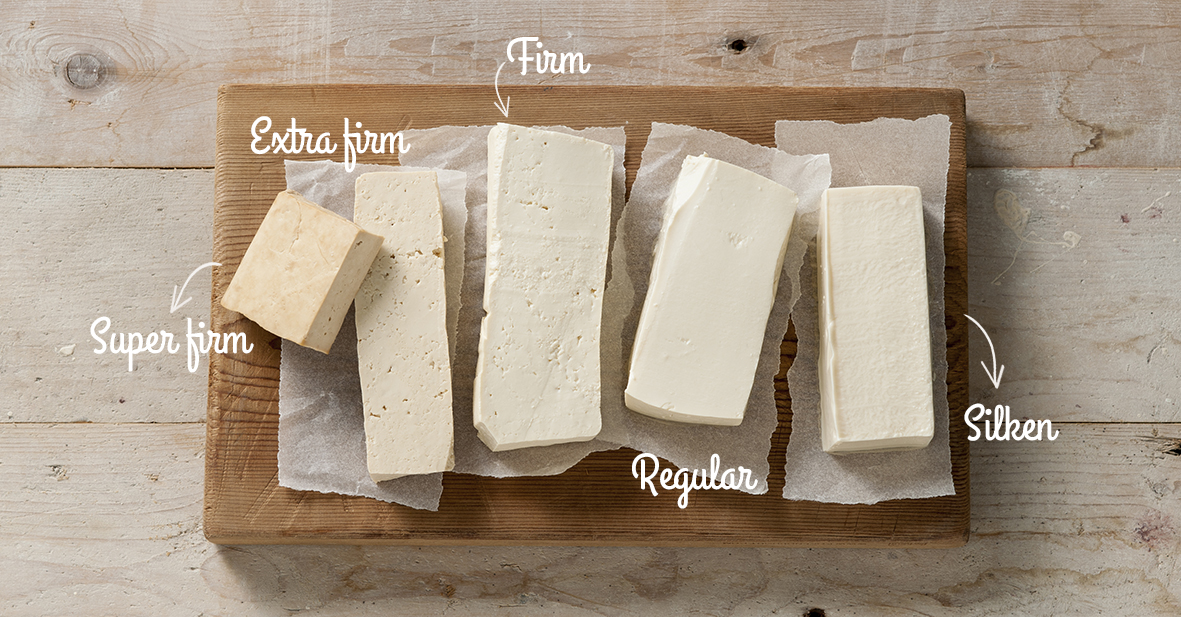
It is also called “soybean curd,” which is made with cooked
soybeans. It is rich in high-quality protein and B vitamins,
and it has low sodium. There are two types (standard) of
tofu: firm and soft. Firm tofu is soaked in liquid as it is
packed. Tofu is like feta: it’s not easy to crumble when
picked, and it’s easy to chop. Soft (or “silken”) tofu or
so-called Japanese tofu is like cheese because it is so
soft. Primarily it is used in wet dishes like soup.
What’s new and exciting?
Try these limited-edition new soybean recipes you’ll definitely
love and just for a limited-time only! Every month, we are
featuring two to three recipes which might you be interested in,
so don’t miss it! Visit this site or our Facebook page (check the
footer below)! You can check out our Instagram account for more
pictures of the soybean recipe! If you have any soybean recipe
ideas, you can tweet us on our Twitter (@mouthwatering_soybeans)
or email us at mouthwateringsoybeans@gmail.com.
Kinako Mochi (Rice Cakes with Soybean Flour) きなこ餅
Satisfy your taste buds with our new kinako mochi soybean
recipe! Kinako is also known as “roasted soybean flour,”
which has a taste similar to peanut butter. If you are
thinking about a fast and hassle-free soybean recipe for
Christmas, why don’t you try to make this yummy kinako? This
recipe can be made by simply using a microwave oven or a
mochi maker. If you are watching your sugar intake, this is
a perfect snack for you! It is a rice flour-based snack so
it’s gluten-free, making it an alternative traditional
flour-based dessert. However, this snack is not easy to
chew, especially for the elders and children who have
problems with chewing food. They must be cut into smaller
pieces first to enjoy this recipe. You may check the simple
procedure for this dish in
MasterClass, or if you want a well-detailed one,
check here.
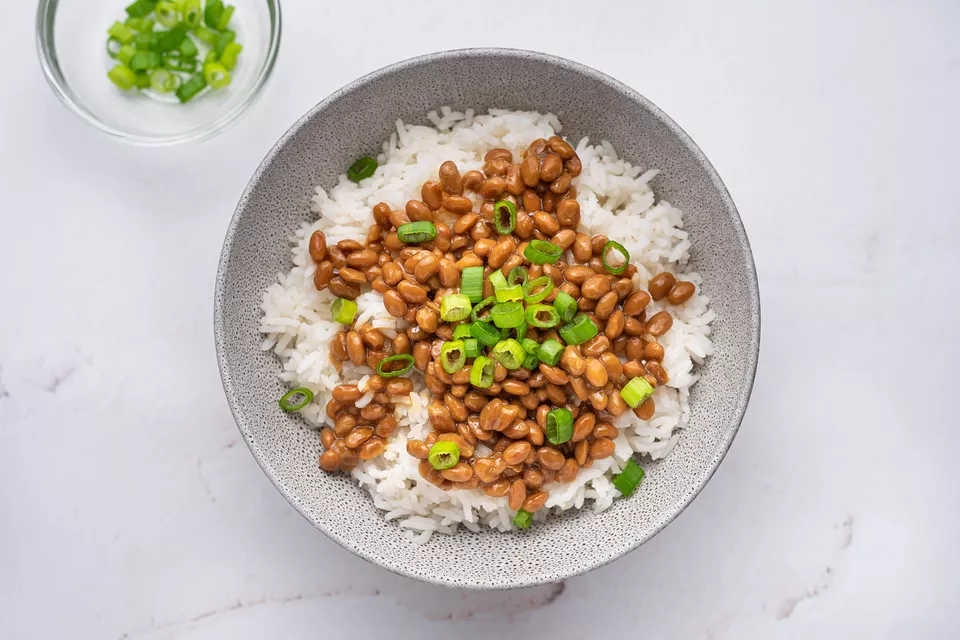
Natto with Rice
Health conscious but on the lookout for the best-tasting and
filling meals? This natto with rice is here to the rescue!
Natto is a traditional Japanese food made with
fermented soybean. Natto soybeans may be steamed or boiled,
and then fermented with a healthy bacteria called Bacilus
Subtilis. It has protein, iron, dietary fiber, and other
nutrients. It is usually served at breakfast tables with
miso soup, fish, and rice. The best rice for this recipe can
be Basmati or Jasmine rice. If you want to try this recipe,
check it out on
The Spruce Eats.